Madwa Mahal (Dulhadeo Temple)
Discover Madwa Mahal (Dulhadeo Temple) near Kawardha. Built in 1349 CE by King Ramchandra Dev, this 16-pillared stone marriage hall features 54 erotic reliefs and a royal inscription.
What Is Madwa Mahal?
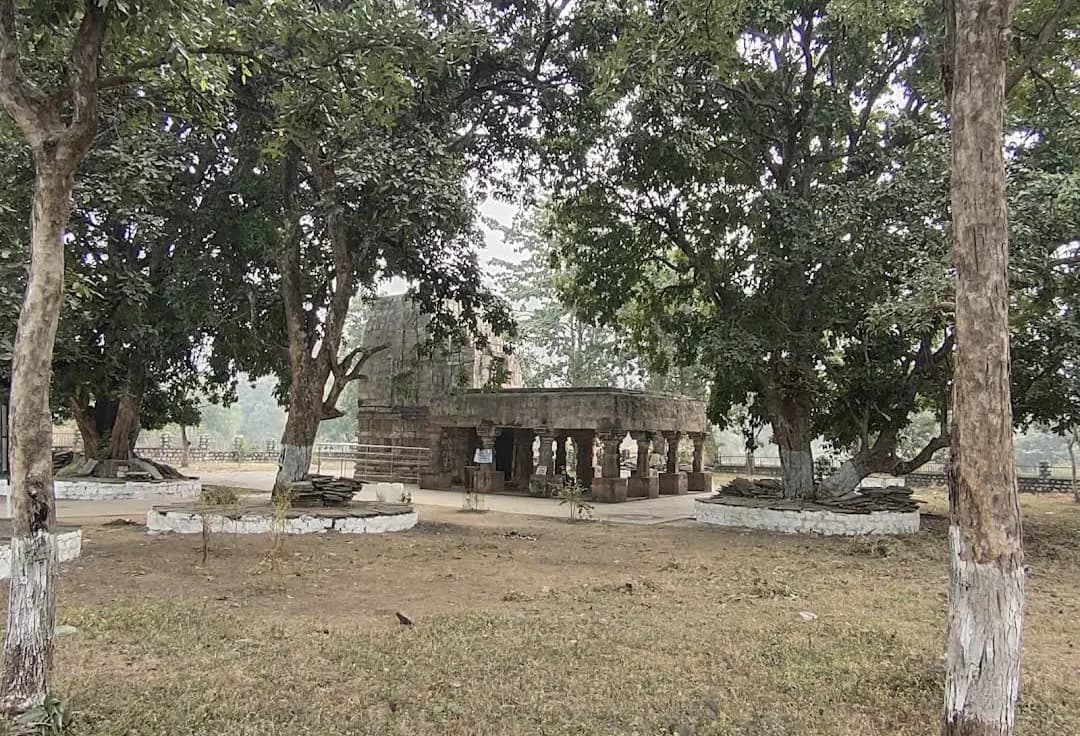
Madwa Mahal, also revered locally as Dulhadeo Temple (Temple of the Bridegroom Lord Shiva), is an open-pillared stone temple located just one kilometer south of Bhoramdeo Temple in Chaura village.
In the regional Chhattisgarhi dialect, Madwa signifies a wedding canopy or bridal pavilion (mandap). The temple derives its name from its distinctive architectural design: an open, sixteen-columned stone hall that evokes the layout of a traditional Indian wedding pavilion.
Quick Facts
| Attribute | Detail |
|---|---|
| Location | Chaura / Madwa Village, Kabirdham District, Chhattisgarh |
| Dynasty | Phani Nagavanshi (King Ramchandra Dev) |
| Year of Consecration | 1349 CE (Vikram Samvat 1406) |
| Primary Deity | Lord Shiva (Dulhadeo) |
| Architectural Form | Open 16-pillared Mandapa with subterranean Garbhagriha |
| Key Inscription | 37-verse Sanskrit stone tablet recording 24 generations of Nagavanshi kings |
| Distance from Bhoramdeo | 1 km south via village approach road |
| Distance from Kawardha | 19 km north-west |
| Entry Fee | Free admission |
| Visiting Hours | 06:00 AM to 06:00 PM daily |
The Royal Marriage of 1349 CE
According to historical records and a prominent 37-verse Sanskrit epigraph found inside the temple, Madwa Mahal was erected in 1349 CE (Vikram Samvat 1406) by the Phani Nagavanshi ruler King Ramchandra Dev.
The monument was constructed to commemorate the monarch’s diplomatic and romantic marriage to Rani Ambika Devi, a royal princess of the Kalachuri dynasty of Ratanpur. This union unified two powerful ruling houses of medieval Chhattisgarh.
The Historic Nagavanshi Inscription
The stone tablet preserved at Madwa Mahal is the single most valuable epigraphic source for the history of Kawardha. It provides a complete genealogical lineage of the Phani Nagavanshi dynasty, starting with the legendary ancestor Ahiraj and detailing twenty-four successive generations down to King Ramchandra Dev and his sons.
Architectural Highlights & Erotic Sculptures
Madwa Mahal is engineered on a raised stone plinth and features two primary structural components:
- The Open 16-Pillared Mandapa*: The main hall is supported by 16 massive sandstone pillars arrayed in symmetrical bays. The absence of solid outer walls creates an airy, pavilion-like ambiance, allowing panoramic views of the surrounding rural greenery.
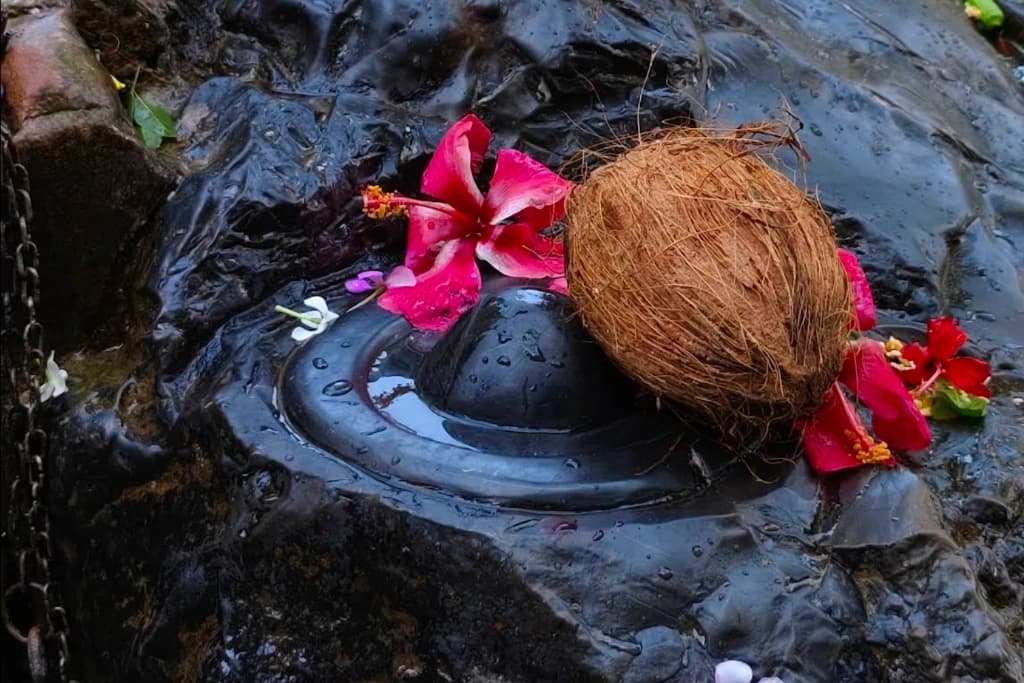
- The Sunken Sanctum: Positioned beneath the pavilion is a subterranean sanctum (Garbhagriha*) accessible by stone steps. It enshrines a natural Shiva lingam that remains cool and serene throughout the year.
The 54 Erotic Bas-Reliefs
Surrounding the exterior stone plinth of the temple are 54 finely carved erotic relief panels. Depicting couples in intimate postures (mithuna), these reliefs symbolize the celebration of marital union, fertility, and Tantric philosophy. While smaller in scale than the soaring friezes of Bhoramdeo Temple, the carvings at Madwa Mahal feature detailed stone work.
The Bhoramdeo Heritage Triangle
Madwa Mahal is an essential stop on the three-monument Bhoramdeo heritage trail:
- Bhoramdeo Temple (1 km north): The grand 11th-century soaring stone temple and the centerpiece of Kawardha's heritage.
- Cherki Mahal (500 meters west): An austere 14th-century brick-and-stone shepherd shrine dedicated to Shiva.
- Bhoramdeo Heritage Trail Walk: The connecting walking and cycling trail linking all three sites through rural farmlands.
How to Reach Madwa Mahal
- From Kawardha (19 km): Follow the Kawardha-Chaura road towards Bhoramdeo. Turn south at the marked signpost approximately 1 km before reaching Bhoramdeo Temple. A motorable rural road leads directly to the monument entrance.
- Walking from Bhoramdeo Temple: Visitors can easily walk the 1 km distance through the village path in about 15 minutes, experiencing local rural Chhattisgarhi village life.
Visitor Information
- Best Time to Visit: October through March, when the morning and evening light accentuates the relief carvings on the outer plinth.
- Photography: Permitted; the open pavilion lighting is exceptionally photogenic during golden hour before sunset.
- Facilities: Quiet and peaceful with minimal commercial activity. Visitors are advised to carry drinking water.
Known For & Highlights
- 16-pillared stone open mandapa resembling a traditional Chhattisgarhi wedding pavilion (madwa)
- 54 expressive erotic stone reliefs carved along the exterior basement plinth
- Foundational 1349 CE Sanskrit inscription detailing 24 generations of Phani Nagavanshi kings
- Located just 1 km south of the famous Bhoramdeo Temple