
Global Recognition for Chhattisgarh: Ancient Sirpur Enters UNESCO World Heritage Tentative List
In a landmark development for Indian archaeological conservation, the Sirpur Cultural and Archaeological Landscape in Chhattisgarh has been officially inscribed on India’s UNESCO World Heritage Tentative List. Situated on the eastern bank of the Mahanadi River in Mahasamund district (~78 km from Raipur), historic Shripura flourished between the 5th and 12th centuries CE as the capital of ancient Dakshina Kosala. Renowned for its unique spatial co-existence of Hindu, Buddhist, and Jain monuments—including the iconic 7th-century brick Lakshmana Temple and grand Buddhist monasteries documented by Chinese pilgrim Xuanzang—this inclusion marks the prerequisite first milestone toward formal World Heritage nomination.
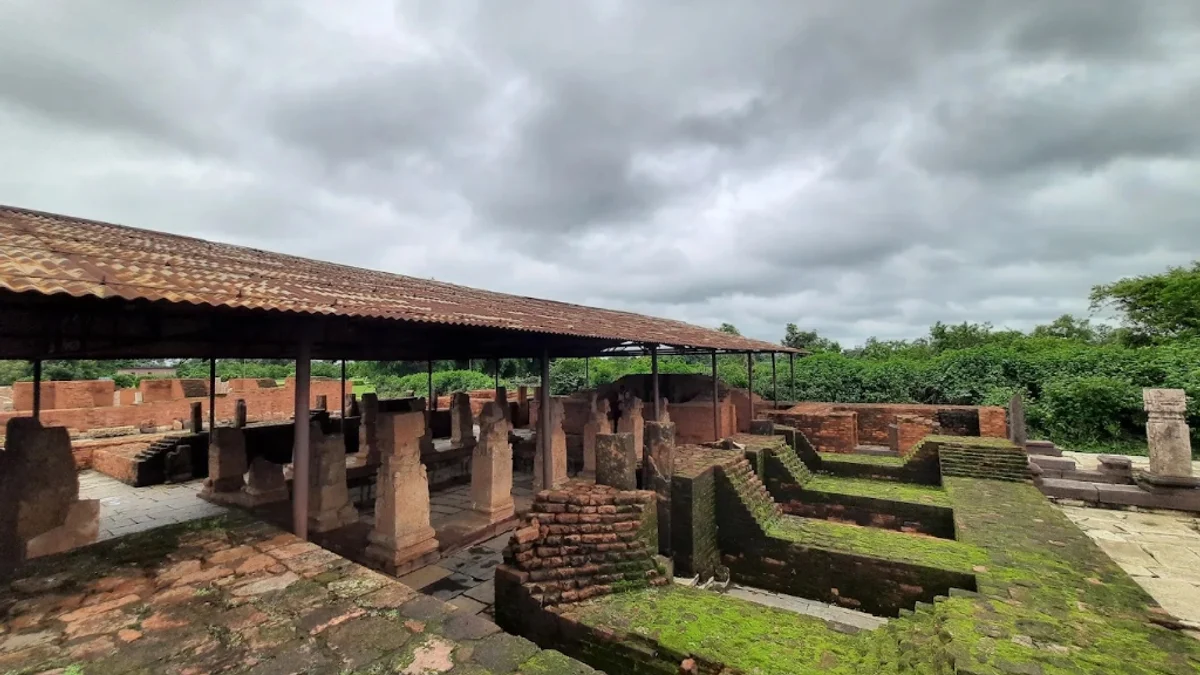
In a landmark development for Indian archaeological conservation, the Sirpur Cultural and Archaeological Landscape in Chhattisgarh has been officially inscribed on India’s UNESCO World Heritage Tentative List. Situated on the eastern bank of the Mahanadi River in Mahasamund district (~78 km from Raipur), historic Shripura flourished between the 5th and 12th centuries CE as the capital of ancient Dakshina Kosala. Renowned for its unique spatial co-existence of Hindu, Buddhist, and Jain monuments—including the iconic 7th-century brick Lakshmana Temple and grand Buddhist monasteries documented by Chinese pilgrim Xuanzang—this inclusion marks the prerequisite first milestone toward formal World Heritage nomination.
In a proud historic milestone for Chhattisgarh’s archaeological legacy, the Sirpur Cultural and Archaeological Landscape has officially entered UNESCO’s World Heritage Tentative List. The submission, formally documented by the Archaeological Survey of India (ASI) and submitted through India’s Permanent Delegation to UNESCO, officially entered the international inventory under Criteria (ii) and (iv).
Situated on the fertile eastern bank of the Mahanadi River in Mahasamund district—approximately 78 kilometers east of the capital Raipur—Sirpur (historically known as Shripura) stands as one of Central India’s most monumental medieval settlements.
Understanding the Status: What Does the Tentative List Mean?
It is essential to understand the distinction in heritage reporting:
- The Mandatory Precursor: Inclusion on the UNESCO Tentative List is an indispensable preparatory step*. Under UNESCO guidelines, a country cannot submit a formal nomination dossier for World Heritage Site status unless the property has been on its Tentative List for at least one year.
- Next Steps Toward Final Inscription*: This status places Sirpur firmly on the global conservation roadmap. It initiates the preparation of a Comprehensive Site Management Plan, buffer-zone demarcation, visitor impact assessments, and structural conservation to support a future final inscription bid.
What Makes Sirpur Unique in Global Archaeology?
Unlike single-monument sites, Sirpur represents a comprehensive 6-square-kilometer archaeological landscape reflecting urban planning, trans-regional riverine commerce, and profound religious harmony between the 5th and 12th centuries CE under the Sharabhapuriya and Panduvamshi dynasties:
- Triple Faith Synthesis: Sirpur is a rare ancient urban center where Hinduism, Buddhism, and Jainism flourished concurrently within an integrated town layout without segregated quarters.
- The 7th-Century Lakshmana Temple: Dedicated to Lord Vishnu and constructed by Queen Vasata (mother of Mahashivagupta Balarjuna), it is celebrated as one of India's finest and earliest surviving red-brick sanctums with exquisite carved terracotta jambs.
- Xuanzang’s Chronicled Monasteries: When the renowned Chinese scholar-pilgrim Hiuen Tsang (Xuanzang) visited Shripura in 639 CE, he documented over 100 thriving Buddhist monasteries and thousands of Mahayana monks. Excavations have brought to light the majestic Anand Prabhu Kuti Vihara and Swastika Vihara, yielding priceless bronze sculptures and underground drainage networks.
- Flourishing Riverine Trade & Civic Layout: Archaeological trenches have unearthed royal granaries, gold and copper-smith workshops, Ayurvedic medicinal distillation complexes, and an extensive riverside marketplace connected to the coastal ports of ancient Kalinga via the Mahanadi waterway.
Connecting Chhattisgarh’s Heritage Corridors
The inclusion of Sirpur brings renewed spotlight to Chhattisgarh's wider medieval architectural circuit:
- From Sirpur to Bhoramdeo: While Sirpur on the Mahanadi represents the zenith of 5th–8th century brick and stone pluralism in Dakshina Kosala, the Bhoramdeo Temple Complex at the foothills of Kabirdham’s Maikal Range represents the 11th-century Nagara stone sculptural mastery of the Phani Nagvanshi dynasty.
- Sustainable Heritage Tourism: State cultural authorities emphasize that global recognition will channel structured academic research, international conservation grants, and high-value eco-cultural tourism across Central Chhattisgarh.
Primary Authorities & Verification
- International Body: UNESCO World Heritage Centre (Tentative Lists Registry, Ref: India Submission).
- Archaeological Custodian: Archaeological Survey of India (ASI, Raipur Circle) & Directorate of Culture and Archaeology, Government of Chhattisgarh.
- Reporting Desk: Mor Kawardha Culture & Heritage Desk.